Bill and Receipt Organizer: A Practical KDP Interior for Financial Clarity
Managing personal or business finances often feels like a battle against paper clutter. For entrepreneurs, freelancers, and heads of households, the stress rarely comes from the math itself but from the disorganization that makes tracking expenses nearly impossible. A dedicated Bill and Receipt Organizer serves as the physical anchor for financial sanity, transforming chaotic piles of thermal paper and invoices into a structured system. When sourced as a pre-formatted KDP interior, this tool becomes more than just a notebook; it is a ready-to-publish asset for low-content creators and a practical solution for anyone needing immediate fiscal structure without the design learning curve.
Real-World Scenarios for Financial Tracking
The true value of a bill and receipt tracker emerges in specific, high-pressure moments rather than in abstract planning. Consider the freelance graphic designer who operates from a home office. During tax season, the difference between a stressful audit and a smooth filing often lies in how quickly they can locate a specific software subscription receipt from nine months ago. A standardized organizer provides designated fields for vendor names, dates, categories, and payment methods, eliminating the guesswork when reconciling bank statements.
Small business owners, particularly those in retail or food service, face a different challenge. They deal with high volumes of low-value transactions daily. For these users, a Bill and Receipt Organizer acts as a daily logbook. Instead of stuffing supplier invoices into a shoebox, they can record inventory purchases immediately. This habit creates a real-time snapshot of cash flow, allowing owners to spot spending trends before they become budget crises. The physical act of writing down an expense also reinforces mindfulness, often curbing impulse purchases more effectively than digital apps alone.
Household management offers another critical use case. Families managing shared expenses, medical bills, or home renovation projects benefit immensely from centralized tracking. When a couple is saving for a down payment or paying off debt, seeing a tangible record of where money goes builds accountability. Unlike banking apps that categorize transactions automatically (and often incorrectly), a manual organizer allows users to define their own categories based on their unique financial goals, whether that is "Emergency Fund Contributions" or "Kids' Extracurriculars."
Why Format and Specifications Matter
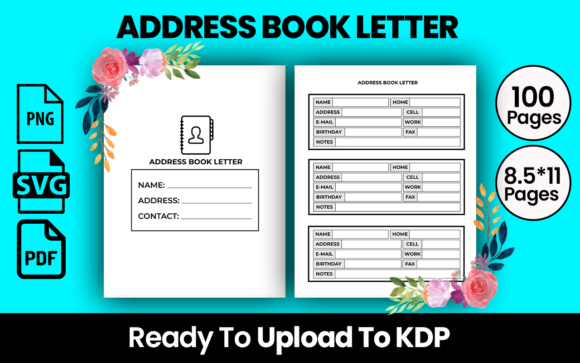
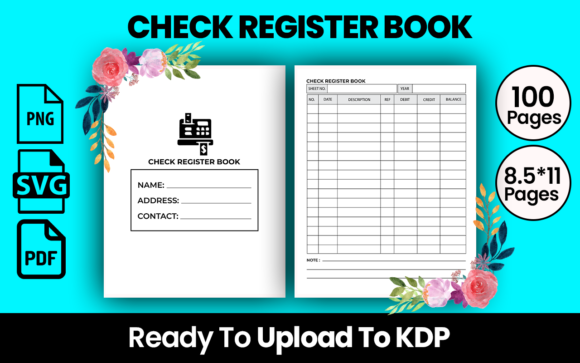
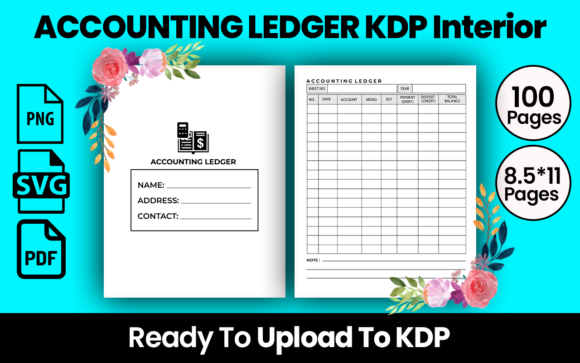
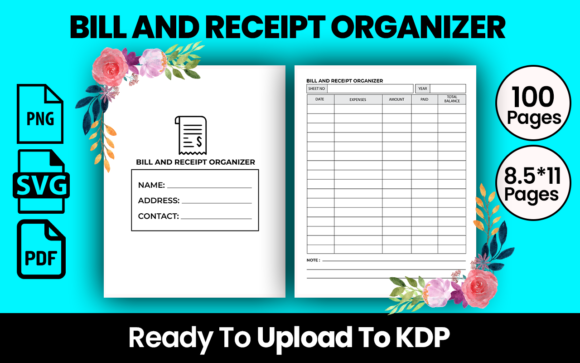
For those looking to publish or use this specific KDP interior, understanding the technical specifications is essential for a quality end product. This resource is formatted at 8.5″ x 11″ with no bleed, which is the industry standard for functional logbooks. The no-bleed specification ensures that all text and table lines remain safely within the printable area, preventing crucial data fields from being trimmed off during manufacturing. This size provides ample writing space for detailed notes while remaining portable enough to fit in a standard briefcase or desk drawer.
The inclusion of 100 pages strikes a deliberate balance. It is substantial enough to cover several months of active use or a full year of lighter tracking, yet thin enough to avoid the intimidating bulk of a massive ledger. For KDP publishers, this page count hits a sweet spot for production costs and perceived value. Users are more likely to complete and repurchase a 100-page book than abandon a 300-page tome halfway through the year.
Leveraging Multiple File Variants for Flexibility
Versatility is a key advantage of this specific interior package. Receiving three distinct file variants—PPT, PDF, and PNG—addresses different needs across the creation and usage spectrum. While the print-ready PDF is the primary deliverable for Amazon KDP upload, the additional formats unlock significant utility.
- PDF Files: These are the workhorses for printing. Formatted specifically for KDP’s requirements, they ensure that margins, gutters, and resolution meet platform standards instantly. For end-users who prefer digital planning on tablets, these PDFs can also serve as interactive worksheets in apps like GoodNotes or Notability.
- PPT Files: Editability is the primary benefit here. Publishers or educators may want to customize the header, add a logo, or adjust column labels to suit a niche audience. Having the source PowerPoint file eliminates the need to recreate tables from scratch, saving hours of design time while maintaining professional alignment.
- PNG Files: High-resolution images of individual pages are invaluable for marketing. Sellers can create realistic mockups, social media graphics, or listing thumbnails without having to photograph a physical proof copy. For personal users, PNGs allow for easy insertion of specific tracker pages into digital presentations or reports.
Strategic Considerations Before Publishing or Buying
While a pre-made Bill and Receipt Organizer accelerates the process, success depends on thoughtful application. Publishers should resist the temptation to upload the file without review. Even perfectly formatted interiors benefit from customization. Adding a branded cover, an introductory page explaining how to use the tracker, or niche-specific category lists can differentiate your product in a saturated marketplace. The PPT variant exists precisely for this level of refinement.
For individuals purchasing this organizer for personal use, consider your actual tracking habits before committing. If you primarily pay bills online, you might only need to track monthly subscriptions and annual renewals. In this case, a simpler layout might suffice. However, if you manage cash-based expenses, reimbursements, or multi-category budgets, the comprehensive nature of this 100-page interior becomes necessary. Assess whether the column headers align with your reporting needs; if you require a "Tax Deductible" checkbox and the template lacks one, utilize the editable PPT file to modify it before printing.
Bridging Digital Gaps with Analog Systems
In an era of automated finance tools, the persistence of paper organizers highlights a gap in digital solutions. Apps excel at aggregation but often fail at context. A digital transaction labeled "AMZN MKTP" tells you nothing about whether that purchase was a business supply or a personal gift. A Bill and Receipt Organizer forces the user to attach meaning to the number at the moment of entry. This cognitive connection improves financial literacy and retention.
Furthermore, physical records provide redundancy. Cloud outages, password losses, and platform shutdowns can erase years of financial history. A printed logbook remains accessible regardless of internet connectivity or software updates. For professionals handling sensitive client data or proprietary business expenses, a paper trail also offers a layer of privacy that cloud-based systems cannot guarantee. This hybrid approach—using apps for payments and paper for tracking and verification—often yields the most robust financial management system.
Maximizing Value Across Different User Groups
Educators and students can adapt this organizer for grant tracking or research budget management. Academic funding often requires meticulous documentation of expenditures against specific line items. The structured format of this interior mirrors the reporting requirements of many institutions, making it easier to compile expense reports for department heads or funding bodies.
Content creators and influencers managing sponsorships can use the organizer to track income alongside expenses. By recording both sides of the ledger, they gain a clearer picture of net profitability per campaign. The 8.5″ x 11″ size accommodates longer descriptions typical of sponsorship deliverables, ensuring that revenue is properly matched with associated costs like props, travel, or editing services.
Ultimately, the effectiveness of a Bill and Receipt Organizer lies in its consistency. Whether you are a KDP publisher seeking a reliable, spec-compliant interior or an individual striving for financial order, this tool reduces friction. It removes the barrier of setup and design, allowing users to focus entirely on the habit of tracking. In financial management, reducing friction is often the single most important factor in achieving long-term success.