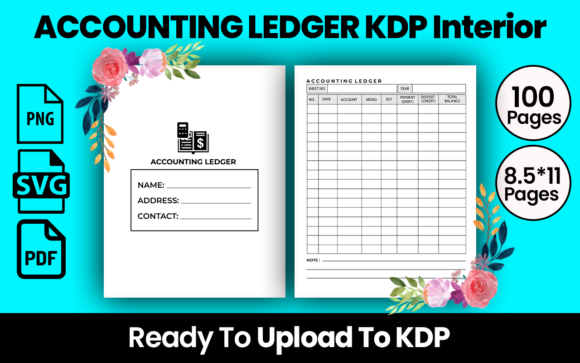
Mastering the Art of Financial Clarity: The Strategic Use of an Accounting Ledger
An accounting ledger is a fundamental tool in financial management, serving as a comprehensive record of all financial transactions. For entrepreneurs, small business owners, and professionals, understanding and utilizing an accounting ledger can be a game-changer in achieving financial clarity and making informed decisions.
The Importance of an Accounting Ledger in Financial Management
An accounting ledger provides a detailed and organized view of all financial activities, from sales and purchases to expenses and payments. This level of detail is crucial for maintaining accurate financial records, which in turn supports better decision-making and strategic planning.
Why Use an Accounting Ledger?
- Financial Transparency: An accounting ledger offers a clear and transparent view of all financial transactions, helping you track where your money is coming from and where it's going.
- Budgeting and Planning: With a well-maintained ledger, you can create more accurate budgets and financial plans, ensuring that your business stays on track financially.
- Tax Compliance: Keeping a detailed ledger makes it easier to comply with tax regulations and prepare for audits, reducing the risk of penalties and fines.
Strategic Use Cases for an Accounting Ledger
Thoughtful use of an accounting ledger can support various aspects of your business, including:
Supporting Business Goals
By regularly updating and reviewing your ledger, you can align your financial activities with your business goals. For example, if one of your goals is to increase profitability, you can use the ledger to identify areas where costs can be reduced or revenue can be increased.
Enhancing Decision-Making
When faced with important financial decisions, such as whether to invest in new equipment or hire additional staff, an accounting ledger provides the necessary data to make informed choices. It allows you to see the current financial state and project future scenarios, helping you weigh the pros and cons effectively.
Improving Operational Efficiency
An accounting ledger can also help streamline your operations by providing insights into cash flow, inventory levels, and other key metrics. This information can help you optimize processes, reduce waste, and improve overall efficiency.
Practical Tips for Using an Accounting Ledger
To get the most out of your accounting ledger, consider the following tips:
- Regular Updates: Make it a habit to update your ledger frequently, ideally daily or weekly, to ensure accuracy and relevance.
- Categorization: Categorize your transactions clearly and consistently. This will make it easier to analyze and report on specific areas of your finances.
- Review and Analyze: Regularly review your ledger to identify trends, patterns, and potential issues. Use this information to make adjustments and improvements.
Risks and Considerations
While an accounting ledger is a powerful tool, using it without clear goals or context can lead to inefficiencies and mismanagement. Here are some risks to be aware of:
- Lack of Consistency: If entries in the ledger are inconsistent or incomplete, the data becomes unreliable and less useful for decision-making.
- Over-Reliance on Data: While data is valuable, over-relying on it without considering broader business factors can lead to suboptimal decisions.
- Security Concerns: Ensure that your ledger is secure and protected from unauthorized access. Sensitive financial information can be a target for fraud and theft.
Integrating an Accounting Ledger into Your Business
To integrate an accounting ledger effectively into your business, start by defining your financial goals and the specific information you need to track. Choose a format that suits your needs, whether it's a digital solution like a spreadsheet or a physical book. Train any relevant staff on how to use and maintain the ledger properly, and establish a routine for regular updates and reviews.
Conclusion
An accounting ledger is a vital tool for maintaining financial clarity and supporting strategic decision-making. By using it thoughtfully and consistently, you can enhance your financial management, achieve your business goals, and position your business for long-term success.